


Screws and rust: how to protect roof covering against corrosion?
Why hot-dip galvanized screws matter in roof hardware.
The construction market offers many steel elements used in roof structures. Some products may look similar at first glance, but their durability can differ significantly, especially in the quality of corrosion protection.
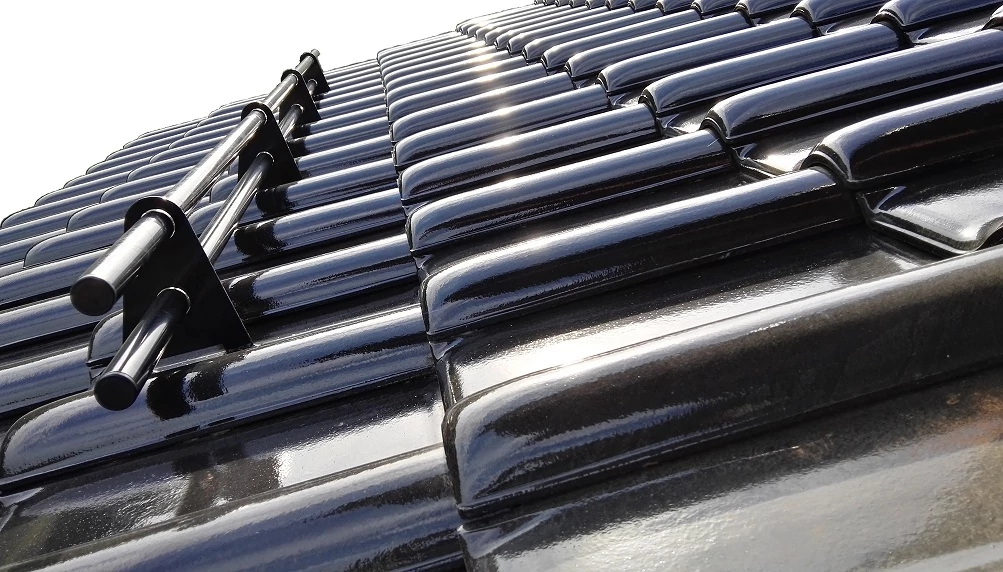
This article focuses on small components added to chimney walkway brackets. On the roof, these details are important for the safety of chimney sweeps and other people moving on the roof surface.
A screw, nut, and washer are often the smallest parts of the whole product. Small does not mean unimportant. These components create the connection that affects the durability and safety of the entire system.
In Ekochron roof access products, hot-dip galvanized screws are used for connecting system components. This is important because roof-mounted elements are exposed to rain, snow, ice, sunlight, and aggressive combustion products.
If ordinary electroplated screws were used, rust could appear much faster. That would affect not only the appearance of the product, but also its durability and the safety of people working on the roof.
The zinc coating on hot-dip galvanized screws used by Ekochron is significantly thicker than on standard electroplated screws. This helps prevent corrosion spots and extends the life of the whole roof hardware system.
The main advantages of hot-dip galvanized mounting screws include:
- very high corrosion resistance;
- high resistance to temperature and chemical factors;
- a technology accepted in demanding industries around the world;
- resistance to mechanical damage.
Choosing durable components reduces the risk of corrosion, improves product quality, and extends service life. In the long term this is more important than a small reduction in purchase price.
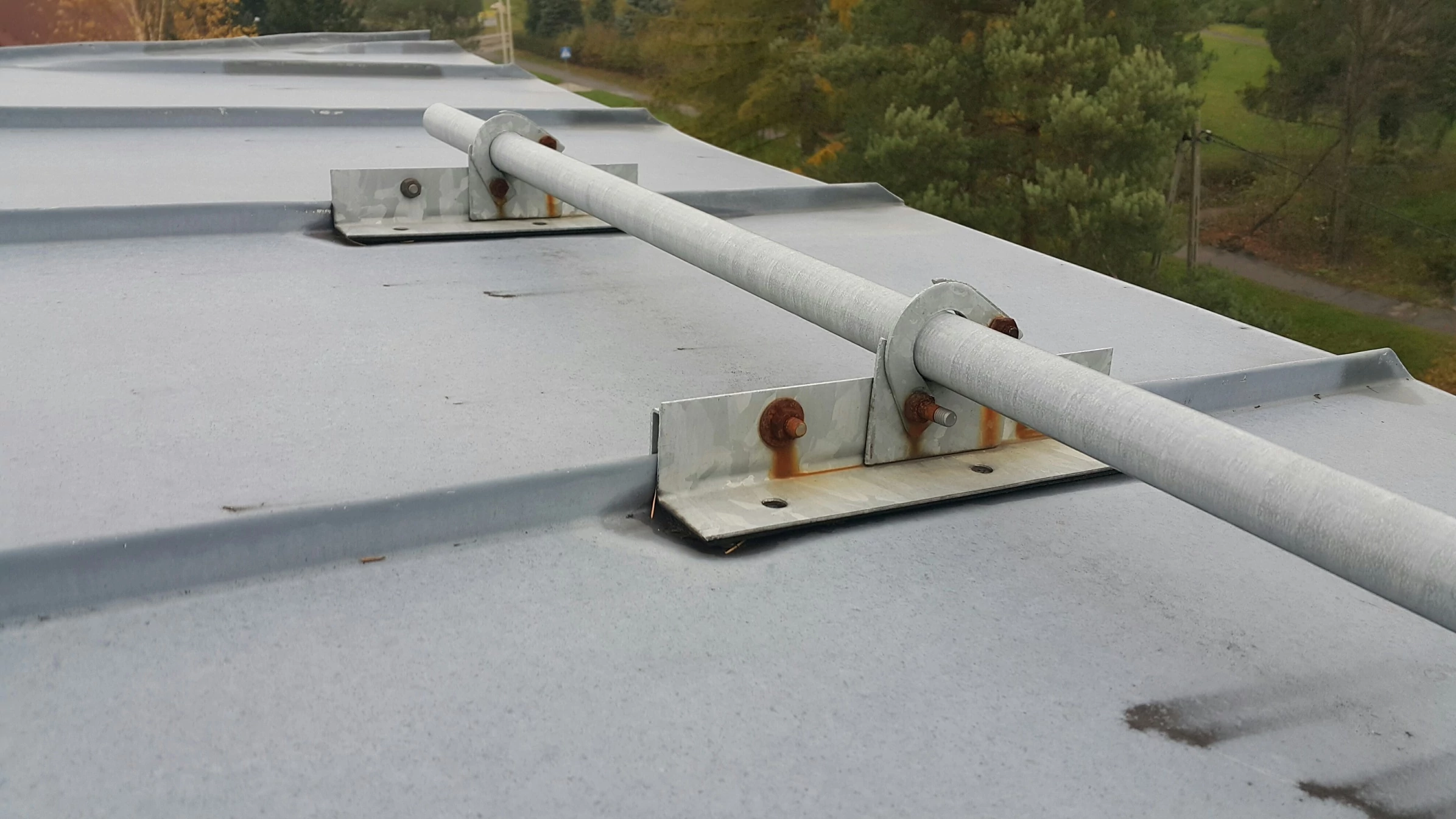
Roof hardware installed with electroplated screws. The photo was taken six months after installation.
Tags
- rust
- corrosion
- roof hardware